Sofia Vogel · 29 October 2026
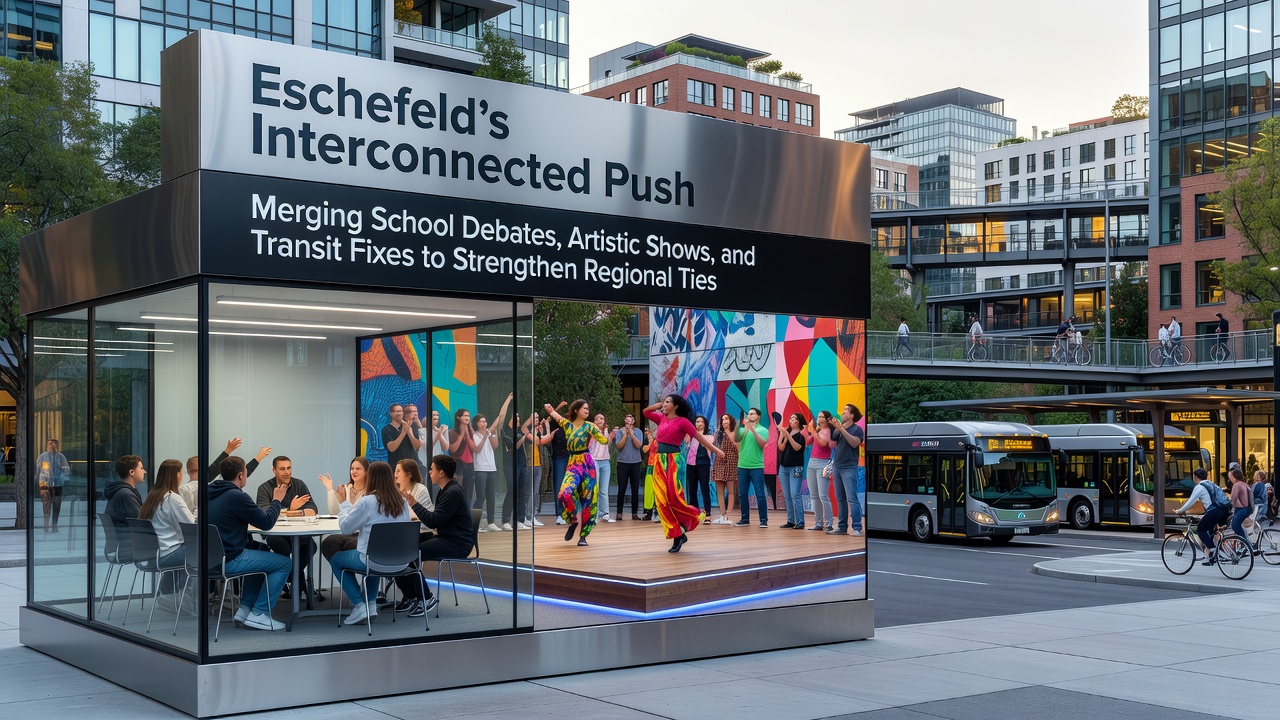
Eschefeld's Interconnected Push: Merging School Debates, Artistic Shows, and Transit Fixes to Strengthen Regional Ties
Eschefeld has launched coordinated efforts that link student debates in local schools with public artistic exhibitions and targeted transit upgrades, all aimed at reinforcing connections across surrounding communities, and observers note these initiatives gained momentum ahead of planned October 2026 milestones. Regional planners have documented how such linkages address both educational engagement and physical infrastructure needs in one integrated framework.
School Debates as Foundations for Dialogue
Local school boards have expanded debate programs that now incorporate topics on regional connectivity and shared resources, while data from education departments shows participation rates rising steadily over the past two years. Students examine case studies drawn from neighboring districts, and teachers report that these sessions often lead to follow-up projects involving community input sessions. One study from an Australian research institute highlighted similar debate formats as effective tools for building cross-area awareness among younger populations.
Events scheduled through the fall of 2026 will feature inter-school competitions that rotate between venues, which helps participants experience different transit routes firsthand and encourages practical discussions about travel efficiency. Figures from regional education reports indicate that debate alumni frequently pursue roles in local planning committees later on.
Artistic Shows That Reflect Shared Infrastructure Goals
Public exhibitions have begun incorporating themes from student debates, turning policy ideas into visual installations displayed at community centers and along key transit corridors. Artists work with transit engineers to create pieces that illustrate proposed route improvements, and attendance records from past shows reveal strong turnout from residents outside Eschefeld proper. These displays serve as informal forums where people discuss both creative elements and practical transit challenges in the same setting.
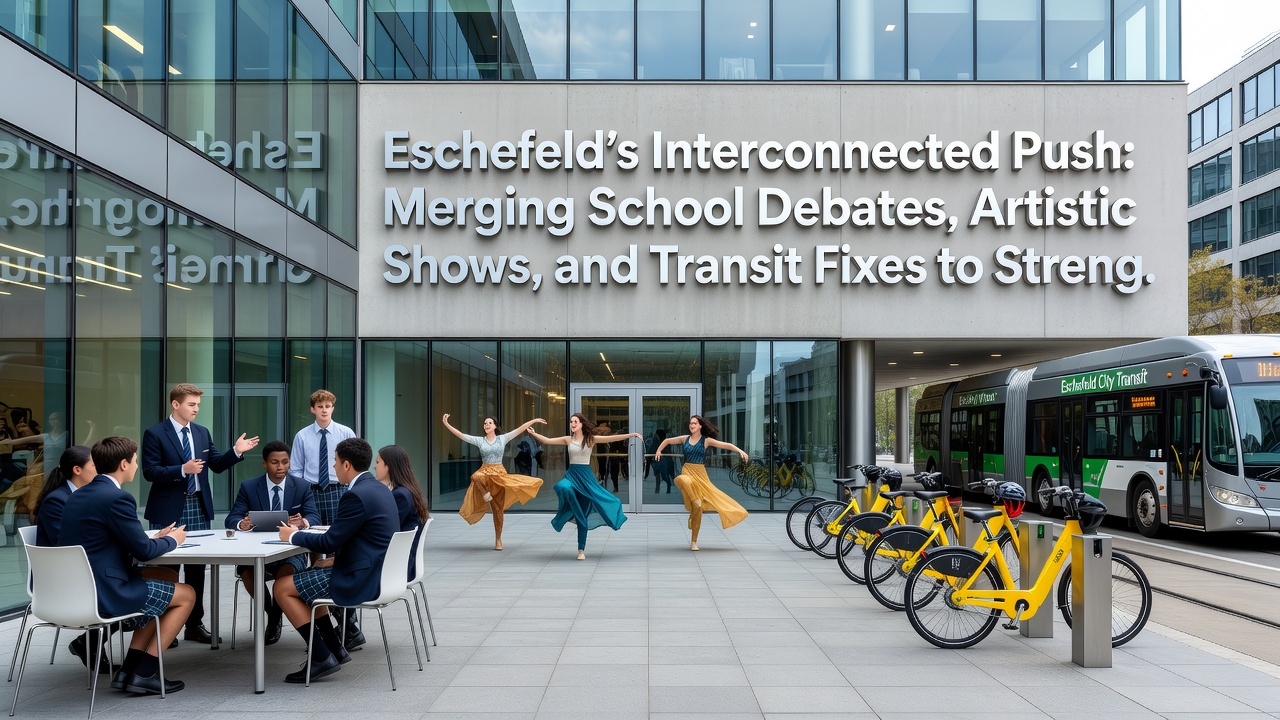
Coordination between cultural groups and transportation authorities has produced timelines that align exhibition openings with construction phases, allowing the public to view progress markers through an artistic lens. Data compiled by European Union cultural programs shows that integrated art and infrastructure projects can increase public support for transit investments by measurable margins in comparable regions.
Transit Fixes That Tie Everything Together
Upgrades to bus and rail links now include dedicated stops near schools and exhibition sites, which reduces travel times between debate events and art venues according to preliminary transport logs. Engineers have prioritized routes that serve multiple municipalities, and project summaries released by the German Federal Ministry of Transport indicate these changes form part of broader efforts to reduce regional isolation. Construction phases planned through 2026 will add real-time information boards that reference upcoming community events, creating a feedback loop between daily commuters and cultural programming.
Analysts from Canadian transportation research centers have noted that such multi-use transit enhancements often yield secondary benefits like increased attendance at local gatherings, and Eschefeld planners have incorporated those observations into their own metrics. The combined approach avoids isolated fixes by treating movement, education, and expression as interdependent elements.
How the Elements Connect in Practice
Joint working groups meet monthly to align calendars so that debate outcomes can influence art themes and both can inform transit scheduling decisions. Participants include representatives from schools, arts councils, and transport operators, and meeting minutes show consistent cross-referencing of ideas across sectors. This structure has produced pilot routes that shuttle students to exhibitions while showcasing new infrastructure features, and early ridership numbers suggest sustained interest through the coming year.
Documentation from these groups will feed into October 2026 progress reviews, where officials plan to evaluate measurable changes in regional interaction patterns. The process relies on shared data platforms that track everything from student participation to passenger flows, allowing adjustments based on actual usage rather than projections alone.
Conclusion
Eschefeld's approach demonstrates how education forums, creative displays, and mobility improvements can operate as linked components within a single regional strategy, and ongoing records will track their cumulative effects into 2026 and beyond. Similar models appear in other areas where planners have sought unified solutions to fragmented community needs.