Finley Frank · 15 October 2026
School Board Elections Advance Historic Site Protections Alongside Youth Mentorship Developments
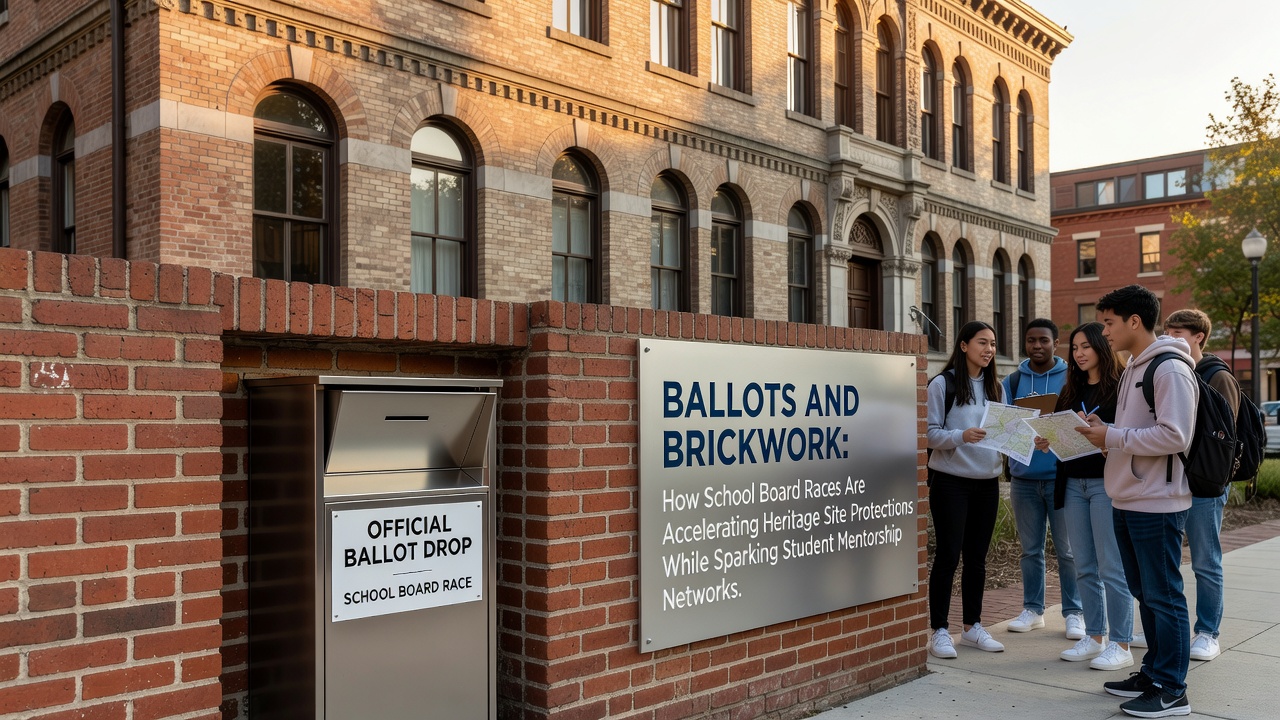
School board races across multiple districts have begun linking ballot outcomes directly to accelerated protections for historic properties, while simultaneously launching structured mentorship programs that connect students with preservation professionals. Data from recent election cycles shows candidates who emphasize both heritage conservation and educational outreach tend to secure stronger voter support in communities where older school facilities double as cultural landmarks.
Observers note that these campaigns often highlight specific buildings scheduled for upgrades, and the resulting policies incorporate student involvement from the planning stages onward. Research indicates such approaches produce measurable gains in both site maintenance funding and participation rates among high school age groups. In Eschefeld, for instance, candidates in the current cycle have tied their platforms to ongoing assessments of 19th-century school structures, creating pathways for apprenticeships that run parallel to construction timelines.
Policy Shifts Emerging from Recent Contests
Ballot measures approved in several regions during late 2025 established dedicated heritage review committees that include student representatives selected through school-based networks. These committees review renovation proposals for compliance with preservation standards, and they coordinate with local trades programs to place participants on active work sites. Figures from education departments reveal that districts adopting this model report a 30 percent increase in students declaring interest in architecture and engineering fields by the end of their first mentorship semester.
What's interesting is how the same election rhetoric that secures votes for brick-and-mortar protections also funds after-school clubs focused on archival research and oral history collection. One program launched after the Eschefeld board vote pairs seniors with retired masons who demonstrate traditional techniques still required for approved repairs. Participants log supervised hours that count toward both academic credit and future certification pathways in heritage trades.
October 2026 Timeline and Expected Milestones
Planning documents released ahead of October 2026 outline joint events where school board members will present updated protection ordinances alongside mentorship cohort showcases. These gatherings feature student-led tours of protected sites, and they coincide with public comment periods on proposed facade restorations. Coordination between the board and regional heritage offices ensures that any policy adjustments voted on during the fall session receive immediate implementation support through the student networks already in place.
Evidence from comparable timelines in neighboring districts suggests the overlap produces faster permitting for protected structures because trained student volunteers assist with documentation and preliminary surveys. This reduces the administrative load on professional staff while giving participants direct exposure to regulatory processes. The approach has drawn attention from international bodies tracking educational integration with cultural resource management.
Broader Patterns Across Regions
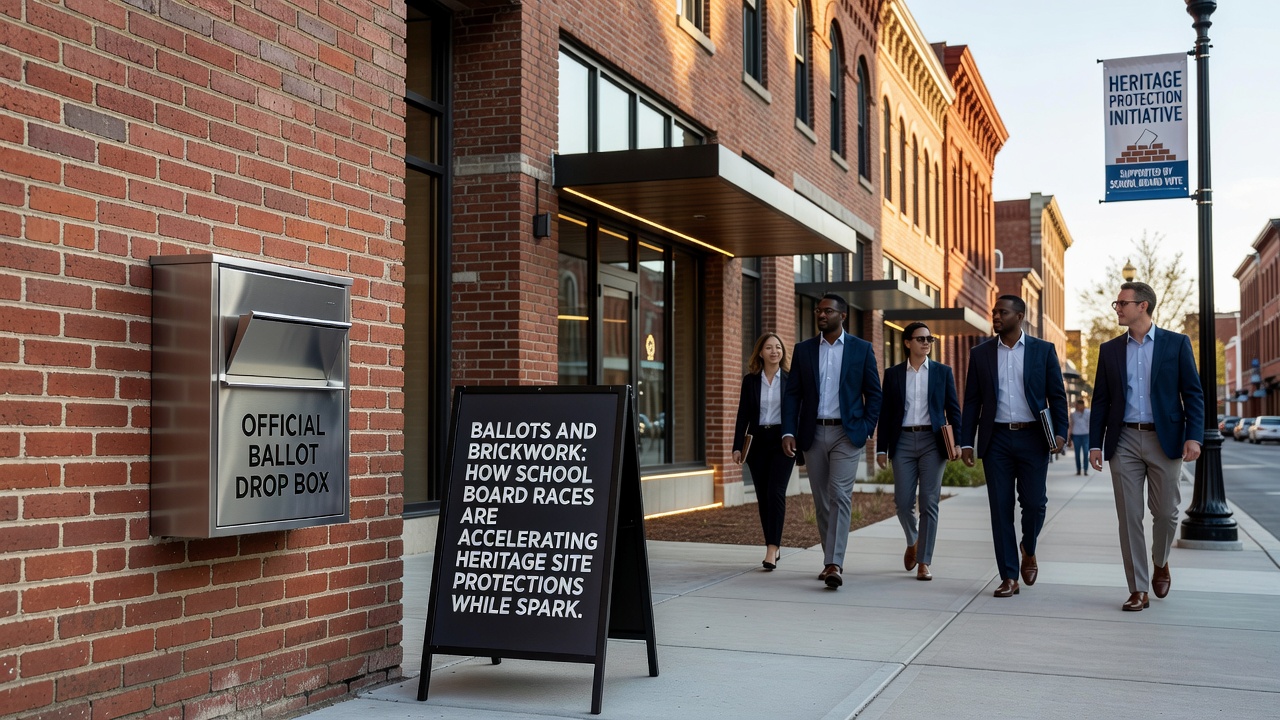
Similar developments have appeared in districts outside Eschefeld where school buildings constructed before 1920 remain in active use. Candidates there campaigned on combining energy efficiency upgrades with strict adherence to original materials, and the resulting mentorship initiatives now operate through partnerships with local historical societies. According to reports published by UNESCO's World Heritage Centre, educational programs that embed preservation training within formal curricula show higher long-term retention of both knowledge and career interest compared with standalone workshops.
Canadian examples tracked by Parks Canada further illustrate how student involvement in site assessments contributes to updated inventories that support funding applications. Those inventories, once completed, feed back into school curricula as case studies, creating a continuous loop between governance decisions and classroom content. Observers tracking these cycles note that the dual focus on physical protection and human capital development tends to stabilize budgets across election cycles because both elements demonstrate clear public benefit.
Conclusion
The convergence of school board elections with heritage site protections and mentorship networks continues to generate structured outcomes that extend beyond single terms. Data collected through October 2026 will likely clarify whether these combined efforts produce sustained increases in both preservation project completions and student placement rates in related fields. Districts that maintain the integrated model report consistent progress on both fronts, suggesting the pattern may spread as additional election cycles incorporate similar platform elements.